Nature’s Delicate Balance
A school residential trip focusing on animals, habitats, and biodiversity offers pupils a vital opportunity to study the variety of life on Earth, explore interconnected ecosystems, and engage in hands-on conservation efforts.
The South Coast and the Isle of Wight provide a diverse range of natural environments—from coastal wetlands and ancient woodlands to protected marine areas—perfect for observing biodiversity in action. By stepping outside the classroom, students move beyond theory to classify living things in their natural surroundings and witness firsthand the urgent necessity of protecting fragile habitats.
- Ecosystems and Biodiversity: Students investigate local food webs, discovering how different species depend on one another and their specific environments to survive, helping them understand the complexity of balanced ecosystems.
- Classification and Observation: Interactive fieldwork allows children to develop scientific skills by identifying and classifying plants and animals, learning to use field guides and observational tools to record species variety.
- Conservation and Sustainability: Through practical workshops, pupils explore the human impact on the natural world, discussing the significance of biodiversity for planetary health and the local measures taken to restore and preserve threatened habitats.
Browse our curated selection of wildlife centres, protected reserves, and educational activities below to build the perfect biodiversity-focused itinerary for your class.
Ecosystems and Environmental Interactions
At KS3, the Science and Geography curricula require students to understand the complex web of relationships within ecosystems, how organisms adapt to extreme environments, and the devastating impact of human activity.
- Interdependence and Food Webs: Moving beyond simple predator-prey relationships to analyse how biotic and abiotic factors interact, and how removing a single keystone species collapses an entire ecosystem.
- Adaptation and Evolution: Investigating how continuous and discontinuous variation, alongside environmental pressures, drive the physiological and behavioural adaptations of both native and exotic species.
- Human Impact and Conservation: Evaluating the realities of climate change, deforestation, and the illegal wildlife trade, while studying the practical interventions used by modern zoos and charities to protect endangered species.
Ecology and Global Ecosystems
Biodiversity and ecology form substantial, mandatory pillars of all major GCSE Biology, Combined Science, and Geography specifications.
- Ecology and Biodiversity (Science): Mastering practical ecological sampling techniques (quadrats and transects) to estimate population sizes and measure the distribution of organisms across differing habitats.
- The Living World / Global Ecosystems (Geography): Understanding the characteristics of major biomes (tropical rainforests, hot deserts) and detailed UK ecosystems, including the delicate balance of nutrient cycling.
- Conservation and Sustainable Management: Critically evaluating the effectiveness of captive breeding programmes, ecotourism, and international treaties in preserving biodiversity against the pressures of human development.

 Dorset
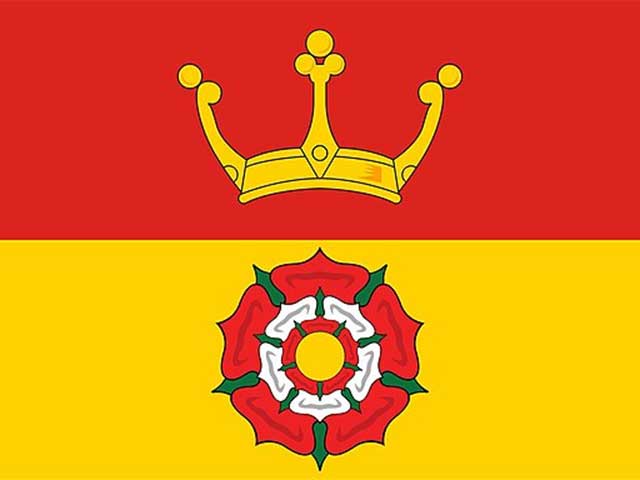 Hampshire
 Isle of Wight


